Road To Your Name - Season 8, Episode 1: Dr. David Milward, author, academic and lawyer
Download MP3Road to Your Name | Dr. David Milward — Indigenous Over-Incarceration, Restorative Justice, and the Long Road to Reform
This episode was recorded in October 2025. Dr. Milward joins the podcast by telephone.
EPISODE DESCRIPTION
In this episode, Lisa speaks with Dr. David Milward, associate professor of law at the University of Victoria and a member of the Beardy's & Okemasis First Nation of Duck Lake, Saskatchewan. Dr. Milward assisted the Truth and Reconciliation Commission in authoring its final report on Indigenous justice issues, and is the author of several books on Indigenous justice, including Reconciliation and Indigenous Justice: A Search for Ways Forward and the newly released Indigenous Law and Canadian Criminal Justice, co-authored with Jonathan Rudin.
This conversation goes deep into the realities behind Canada's Indigenous over-incarceration crisis: what restorative justice actually looks like in practice, why it remains chronically underfunded, and how political rhetoric around "soft on crime" policy obscures both the data and the human stories behind it. Dr. Milward speaks candidly about his own path into this work, growing up in Indigenous urban communities in Edmonton and Calgary, the friends he lost along the way, and the racism he faced as a law student — including being told outright that he'd never become a lawyer unless he cut his hair.
This is a frank, deeply informed conversation about what genuine justice reform requires, and why the people doing this work keep showing up despite the frustration.
WHAT WE TALK ABOUT
- The behind-the-scenes process of contributing to the Truth and Reconciliation Commission's final report on Indigenous justice, including the commission's early restructuring under Murray Sinclair and Willie Littlechild
- Working under law professor Ken Roach to develop the justice volume's research, and how the unused material eventually became the foundation for Dr. Milward's own books
- Growing up in Indigenous urban communities in Edmonton and Calgary, and the toll those years took on friends and peers — including loss to substance abuse, suicide, and ongoing incarceration
- How a residential school survivor mother and strict upbringing shaped Dr. Milward's path toward law school
- Racism faced during law school at the University of Alberta, including the assumption that Indigenous students were only admitted through DEI (Diversity, Equity, Inclusion) criteria, and a direct, escalating conflict over wearing his hair in a single braid
- Whether overt racism in legal education has shifted into microaggressions over the decades — and why claiming racism is a thing of the past comes from a position of privilege
- Indigenous Law and Canadian Criminal Justice, his newly released book co-authored with Jonathan Rudin, written specifically to reach undergraduate students in their formative university years
- Pushing back on "tough on crime" political rhetoric, including commentary from figures like Ben Shapiro and Matt Walsh, and why those arguments rarely engage with the role of untreated mental illness or lack of access to health services
- The data behind restorative justice: it costs roughly $120,000 a year to incarcerate an Indigenous woman in a federal penitentiary, versus approximately $30,000 a year for probation or a conditional sentence
- Why political incentives — not evidence — often determine whether restorative justice gets funded, since politicians fear being labeled "soft on crime"
- A look at the Nordic countries' low-incarceration model as a counterexample to the assumption that less punitive justice systems lead to societal breakdown
- Research from retired University of Toronto criminologist Anthony Doob showing how public opinion on sentencing shifts dramatically once people are given specific cost and reoffending-rate data
- How a single high-profile failure gets weaponized in media coverage against restorative justice and Gladue-informed sentencing, while the many successful turnarounds rarely make headlines
- The JD/JID program at the University of Victoria, which teaches Indigenous legal orders such as Cree law, Anishinaabe law, and Gitxsan law alongside Canadian law — and the real-world resistance graduates still face when raising Indigenous legal principles in court
- Why current correctional security classifications rely heavily on past behavior despite literature showing dynamic factors — such as relationships with elders and present-day progress — are stronger predictors of future behavior, particularly for Indigenous people
- The chronic shortage of healing lodges, with only a small number currently serving Indigenous women nationwide, and the broader need for more Gladue report writers, Indigenous lawyers, and frontline harm reduction and counseling workers
- Dr. Milward's advice for young people entering frontline Indigenous justice and health work: patience, the inevitability of frustration and pushback, and finding sufficiency in knowing the work itself is good
- We need more Indigenous lawyers and Gladue Writers in the justice system
- If you are Indigenous and working in the justice system, you will experience frustration, but stick with it!
GUEST
Dr. David Milward — Associate Professor of Law, University of Victoria, and Director of the JD/JID (Joint Indigenous Degree) program. Member of the Beardy's & Okemasis First Nation, Duck Lake, Saskatchewan. BA (History), University of Calgary; LLB and LLM, University of Alberta; D.Phil., University of British Columbia. Assisted the Truth and Reconciliation Commission of Canada with its final report on Indigenous justice issues. Author of Aboriginal Justice and the Charter: Realizing a Culturally Sensitive Interpretation of Legal Rights (UBC Press, 2012), co-winner of the K.D. Srivastava Prize for Excellence in Scholarly Publishing; The Art of Science in the Canadian Justice System (with the late Dr. Charles Ferguson); Reconciliation and Indigenous Justice: A Search for Ways Forward (Fernwood Press, 2022); and Indigenous Law and Canadian Criminal Justice (Emond, 2025), co-authored with Jonathan Rudin. Co-author of the widely used Gladue Handbook with Allard Hall Professor Debra Parkes.
RESOURCES MENTIONED
- Indigenous Law and Canadian Criminal Justice by David Milward and Jonathan Rudin (Emond, 2025)
- Reconciliation and Indigenous Justice: A Search for Ways Forward by David Milward (Fernwood Press, 2022)
- Aboriginal Justice and the Charter by David Milward (UBC Press, 2012)
- The Gladue Handbook, co-authored by David Milward and Debra Parkes
- Truth and Reconciliation Commission of Canada — Final Report (Justice volume)
- Anthony Doob's public opinion research on sentencing, University of Toronto (retired)
- Aboriginal Legal Services — aboriginallegal.ca
- Support the show: click Donate at the top of the ALS homepage
- Facebook: Road to Your Name
---
Road to Your Name is produced by Aboriginal Legal Services and hosted by Lisa VanEvery, Mohawk Nation, Wolf Clan. Recorded on Haudenosaunee territory with technical assistance from True Seed Media. Nia:wen for listening.
This episode was recorded in October 2025. Dr. Milward joins the podcast by telephone.
EPISODE DESCRIPTION
In this episode, Lisa speaks with Dr. David Milward, associate professor of law at the University of Victoria and a member of the Beardy's & Okemasis First Nation of Duck Lake, Saskatchewan. Dr. Milward assisted the Truth and Reconciliation Commission in authoring its final report on Indigenous justice issues, and is the author of several books on Indigenous justice, including Reconciliation and Indigenous Justice: A Search for Ways Forward and the newly released Indigenous Law and Canadian Criminal Justice, co-authored with Jonathan Rudin.
This conversation goes deep into the realities behind Canada's Indigenous over-incarceration crisis: what restorative justice actually looks like in practice, why it remains chronically underfunded, and how political rhetoric around "soft on crime" policy obscures both the data and the human stories behind it. Dr. Milward speaks candidly about his own path into this work, growing up in Indigenous urban communities in Edmonton and Calgary, the friends he lost along the way, and the racism he faced as a law student — including being told outright that he'd never become a lawyer unless he cut his hair.
This is a frank, deeply informed conversation about what genuine justice reform requires, and why the people doing this work keep showing up despite the frustration.
WHAT WE TALK ABOUT
- The behind-the-scenes process of contributing to the Truth and Reconciliation Commission's final report on Indigenous justice, including the commission's early restructuring under Murray Sinclair and Willie Littlechild
- Working under law professor Ken Roach to develop the justice volume's research, and how the unused material eventually became the foundation for Dr. Milward's own books
- Growing up in Indigenous urban communities in Edmonton and Calgary, and the toll those years took on friends and peers — including loss to substance abuse, suicide, and ongoing incarceration
- How a residential school survivor mother and strict upbringing shaped Dr. Milward's path toward law school
- Racism faced during law school at the University of Alberta, including the assumption that Indigenous students were only admitted through DEI (Diversity, Equity, Inclusion) criteria, and a direct, escalating conflict over wearing his hair in a single braid
- Whether overt racism in legal education has shifted into microaggressions over the decades — and why claiming racism is a thing of the past comes from a position of privilege
- Indigenous Law and Canadian Criminal Justice, his newly released book co-authored with Jonathan Rudin, written specifically to reach undergraduate students in their formative university years
- Pushing back on "tough on crime" political rhetoric, including commentary from figures like Ben Shapiro and Matt Walsh, and why those arguments rarely engage with the role of untreated mental illness or lack of access to health services
- The data behind restorative justice: it costs roughly $120,000 a year to incarcerate an Indigenous woman in a federal penitentiary, versus approximately $30,000 a year for probation or a conditional sentence
- Why political incentives — not evidence — often determine whether restorative justice gets funded, since politicians fear being labeled "soft on crime"
- A look at the Nordic countries' low-incarceration model as a counterexample to the assumption that less punitive justice systems lead to societal breakdown
- Research from retired University of Toronto criminologist Anthony Doob showing how public opinion on sentencing shifts dramatically once people are given specific cost and reoffending-rate data
- How a single high-profile failure gets weaponized in media coverage against restorative justice and Gladue-informed sentencing, while the many successful turnarounds rarely make headlines
- The JD/JID program at the University of Victoria, which teaches Indigenous legal orders such as Cree law, Anishinaabe law, and Gitxsan law alongside Canadian law — and the real-world resistance graduates still face when raising Indigenous legal principles in court
- Why current correctional security classifications rely heavily on past behavior despite literature showing dynamic factors — such as relationships with elders and present-day progress — are stronger predictors of future behavior, particularly for Indigenous people
- The chronic shortage of healing lodges, with only a small number currently serving Indigenous women nationwide, and the broader need for more Gladue report writers, Indigenous lawyers, and frontline harm reduction and counseling workers
- Dr. Milward's advice for young people entering frontline Indigenous justice and health work: patience, the inevitability of frustration and pushback, and finding sufficiency in knowing the work itself is good
- We need more Indigenous lawyers and Gladue Writers in the justice system
- If you are Indigenous and working in the justice system, you will experience frustration, but stick with it!
GUEST
Dr. David Milward — Associate Professor of Law, University of Victoria, and Director of the JD/JID (Joint Indigenous Degree) program. Member of the Beardy's & Okemasis First Nation, Duck Lake, Saskatchewan. BA (History), University of Calgary; LLB and LLM, University of Alberta; D.Phil., University of British Columbia. Assisted the Truth and Reconciliation Commission of Canada with its final report on Indigenous justice issues. Author of Aboriginal Justice and the Charter: Realizing a Culturally Sensitive Interpretation of Legal Rights (UBC Press, 2012), co-winner of the K.D. Srivastava Prize for Excellence in Scholarly Publishing; The Art of Science in the Canadian Justice System (with the late Dr. Charles Ferguson); Reconciliation and Indigenous Justice: A Search for Ways Forward (Fernwood Press, 2022); and Indigenous Law and Canadian Criminal Justice (Emond, 2025), co-authored with Jonathan Rudin. Co-author of the widely used Gladue Handbook with Allard Hall Professor Debra Parkes.
RESOURCES MENTIONED
- Indigenous Law and Canadian Criminal Justice by David Milward and Jonathan Rudin (Emond, 2025)
- Reconciliation and Indigenous Justice: A Search for Ways Forward by David Milward (Fernwood Press, 2022)
- Aboriginal Justice and the Charter by David Milward (UBC Press, 2012)
- The Gladue Handbook, co-authored by David Milward and Debra Parkes
- Truth and Reconciliation Commission of Canada — Final Report (Justice volume)
- Anthony Doob's public opinion research on sentencing, University of Toronto (retired)
- Aboriginal Legal Services — aboriginallegal.ca
- Support the show: click Donate at the top of the ALS homepage
- Facebook: Road to Your Name
---
Road to Your Name is produced by Aboriginal Legal Services and hosted by Lisa VanEvery, Mohawk Nation, Wolf Clan. Recorded on Haudenosaunee territory with technical assistance from True Seed Media. Nia:wen for listening.
Creators and Guests
Host
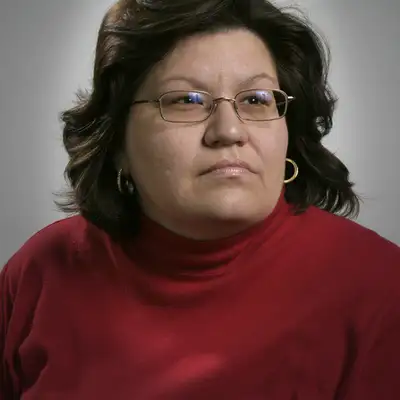
Lisa VanEvery
Lisa has worked for Aboriginal Legal Services for sixteen years. She began hosting the Road To Your Name Podcast in December 2020.